Skip to content

the wedding diary · guides · Planning, digitally

What your wedding venue needs from you a week out — 9 things

Your wedding venue will not call to ask what it needs. A week before the day, the kitchen orders, the floor is planned and the staff roster is written, from whatever you have sent. If that is a chat message from June and a number your mother said in July, that is what they will cook for. The nine things to send, as one page, in the form the venue can actually use.

By , editor · published · updated · 5 min read

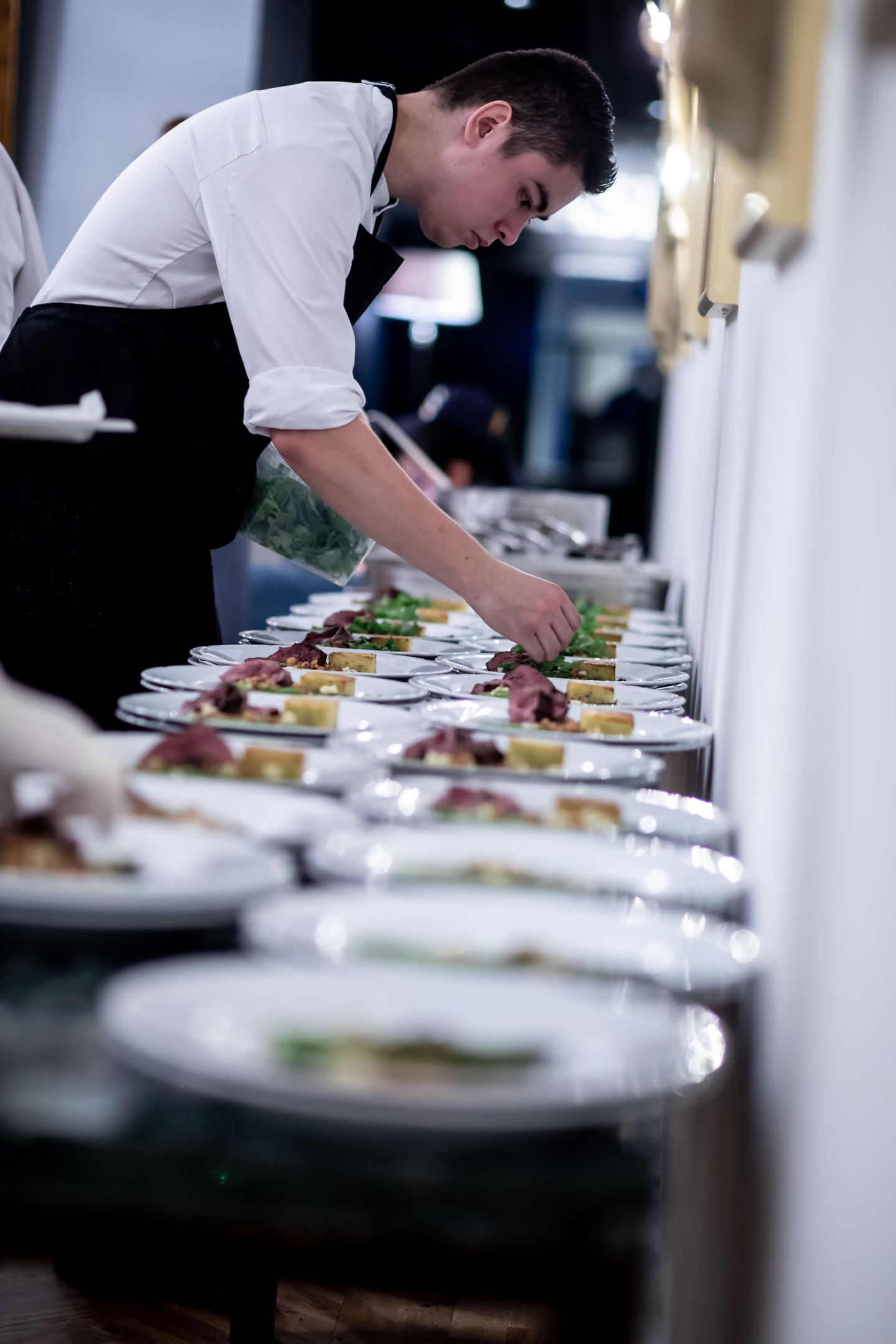
A chef in a professional kitchen plating dishes for a large dinner service, rows of plates in front of him.
The kitchen cooks for the number you sent, on the day you sent it. Photo: Rene Terp · Pexels

01

Why one page, and why a week

A venue works backwards from your numbers. The kitchen orders on Monday for Saturday; the floor manager draws the room on Tuesday; the roster is written on Wednesday. All of it comes from whatever you sent, and if what you sent was a chat message in June and a number your mother mentioned in July, that is what they will cook for.

This list is built from the questions a venue actually asks in the last week — the ones that arrive as a phone call at nine in the evening if you have not answered them first. Send it as one page per celebration, a week out, and end with one line: what is missing? That conversation takes five minutes instead of three quarters of an hour.
02

The nine things

  • 1. The head count, and the date it closed — Per celebration, in people, not in households. Say which date the number closed on and that it is final. That date is also the last day of your own chasing: everyone who had not answered by then is counted as they stand. The diary counts answers per celebration, in people, which is the number the kitchen wants.
  • 2. Two arrival times, not one — When the couple arrives, and when the guests arrive. The venue plans its door on the first and its staff on the second. At a Turkish düğün the couple often arrives after the guests; at a Nigerian reception the couple enters last, to music. Say which.
  • 3. The moments the venue itself has to act on — The walk-in, the first dance, the cake, the takı (the moment gold and money are pinned to the couple), the lights going down, the music turning softer. Give each a time, even a time that will still move, and say who cues it.
  • 4. Who holds the microphone, and who hands it over — One name. Without that name there is, halfway through the evening, an uncle with a microphone nobody gave him.
  • 5. Your wedding team, with names, numbers and load-in times — The photographer, the DJ, the videographer, the cake, the flowers. Who may load when, and who may already be inside before the doors open. The day plan prints the venue a sheet of its own with exactly this: everyone working the day, with name, trade and arrival time — the phone numbers you add yourself.
  • 6. Diets as numbers — “Six vegetarian, two without gluten, all halal.” The kitchen does not need a list of names, and a list of names is what makes them call you.
  • 7. Children and high chairs, as two numbers — Not every child needs a high chair and not every high chair is already there. Two numbers, per celebration.
  • 8. What you bring yourself, and who receives it — The cake, the flowers, the box of sweets, the tray for the henna. Someone has to sign for each one, and that someone is not you — you are getting dressed.
  • 9. The end time, and who clears the room — Also who collects the hired things, and when. That is almost always the next morning, and almost never agreed.
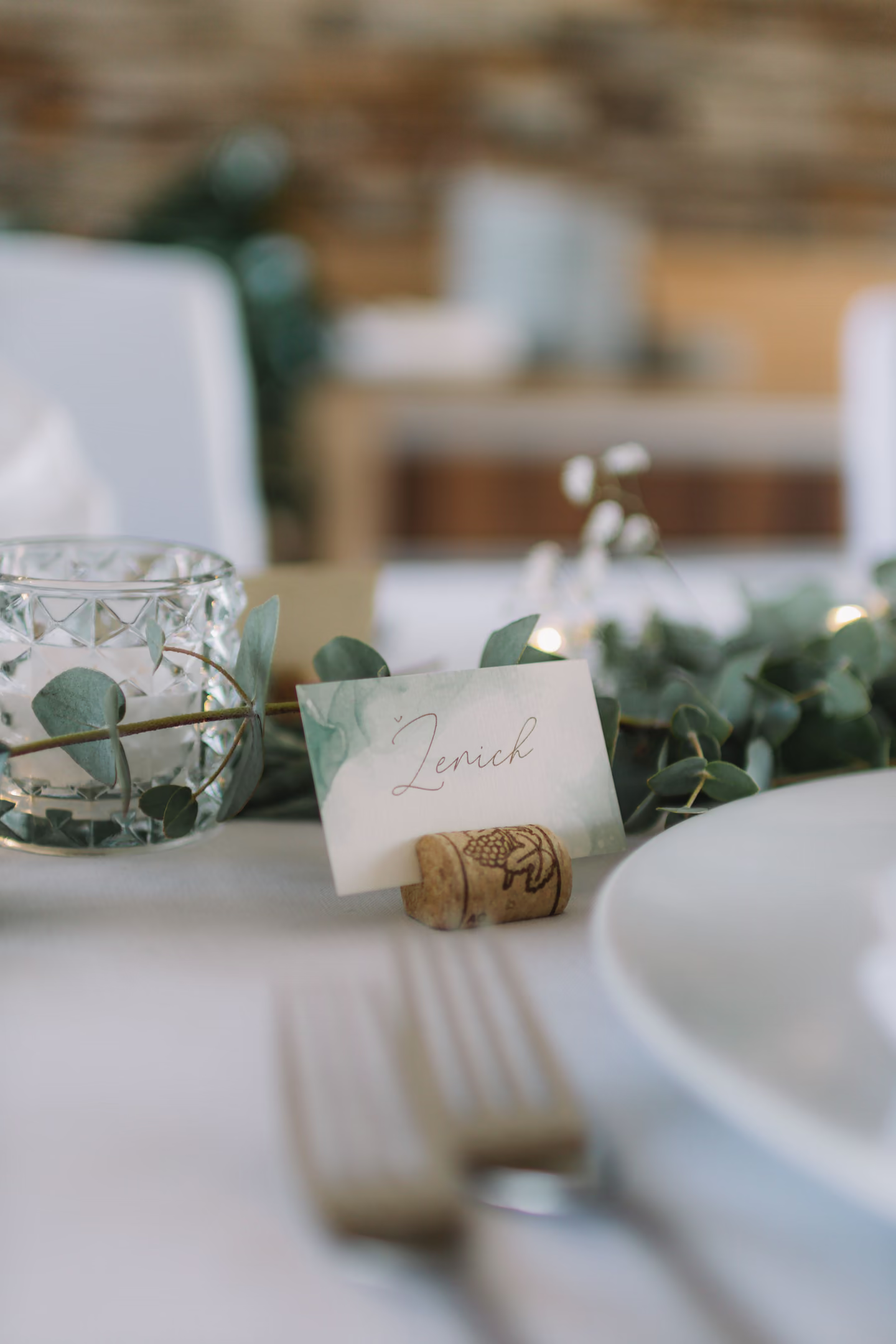
A wedding table setting with a folded napkin, cutlery and a handwritten name card on a plate.
Names are for the tables. The venue itself works from numbers. Photo: merwak. raw · Pexels

03

The tenth thing, if you have it

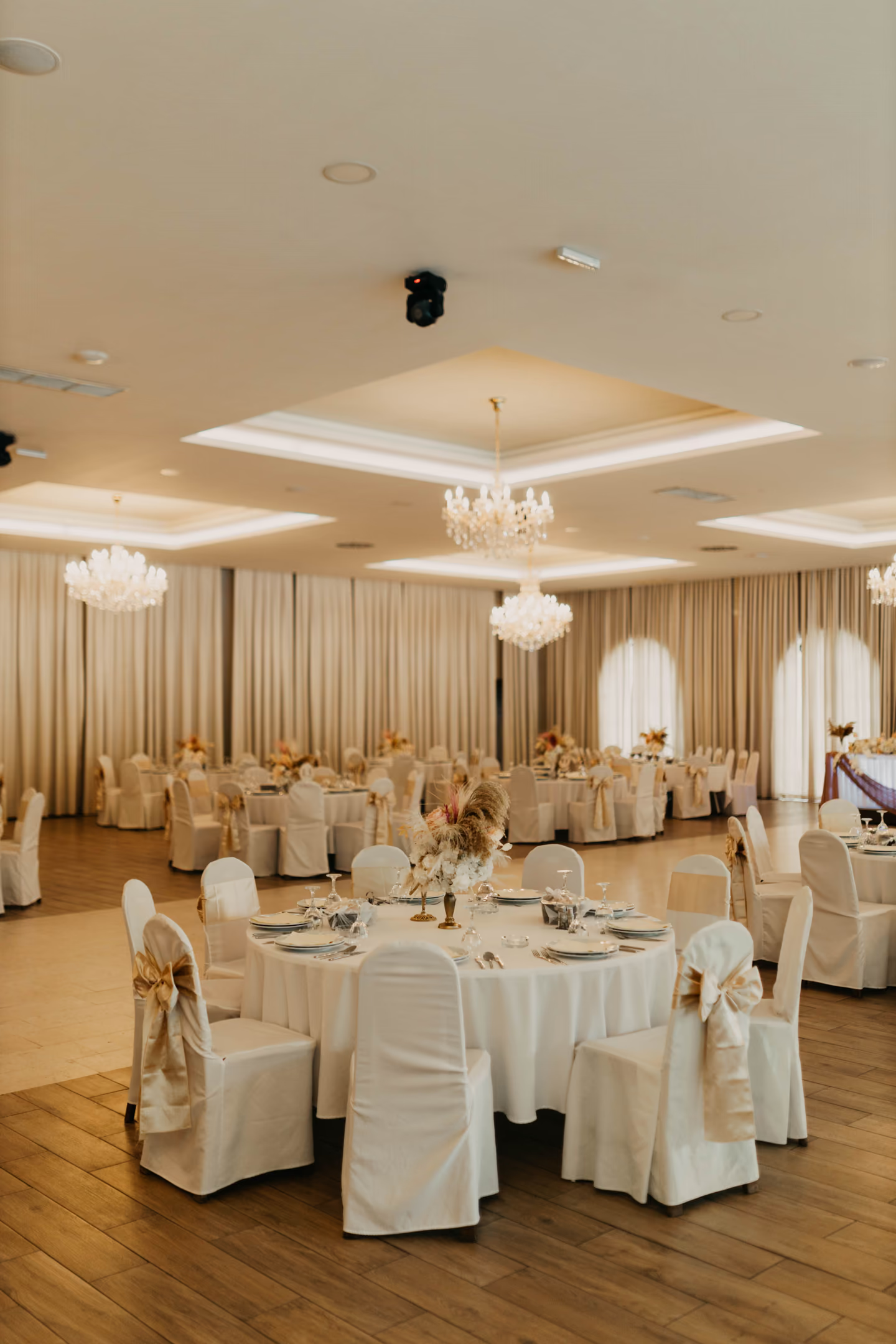
If you have drawn the room — which tables where, how many at each — the venue wants that too, as tables with head counts. Names are yours; the floor is theirs. With the full version of the diary, the room prints for the venue’s office and the captain on the day, and the printout carries the plan’s version code, so the venue can tell which plan it holds.

04

Send it once, then keep it current

A page from a week ago is a page the venue trusts. A page that has changed twice since, by phone, is not. If you keep the plan in one place, give the venue the link to that place rather than a copy: the venue’s own link in the diary shows the celebrations it works, the times and how many said yes to each, and — once the venue has marked it read — what moved since; no guest names, and no money but what you agreed with the venue itself. When something moves on Tuesday, the venue reads Tuesday’s version on Saturday.

Frequently asked

When do we send the venue the final numbers?
On the date the venue named when you booked — usually a week to ten days before, in writing, per celebration. Send the count and the date it closed, so the venue knows it is final and not a guess.
Does the venue need the guest list?
No. The venue needs counts: how many people, how many children, how many high chairs, how many vegetarian, how many without gluten. Names are for the tables and the place cards, not for the kitchen.
What if the numbers change after the deadline?
Tell the venue the same day, in writing, and expect to pay for the number you confirmed. Most halls can seat a few more; few will refund a few fewer.
Who should the venue call on the day?
One person who is not the bride or the groom, with the plan and the phone numbers of the team. Give the venue that name a week out, and give that person the whole day on paper.

Related guides

Newlyweds walking out into a lakeside garden celebration, guests cheering at the edges

The next chapter is yours

Let’s get you
to “I do.”

One page your guests open from WhatsApp, and behind it your list, the answers and the day plan. The free version: every celebration, up to 100 guests in all. Confirm your address and your diary opens straight away.

Confirm your address and your diary opens straight away.

the wedding diary

Your people. Your celebrations. One shared plan.